The trafficking route continues through houses, businesses and declarations.
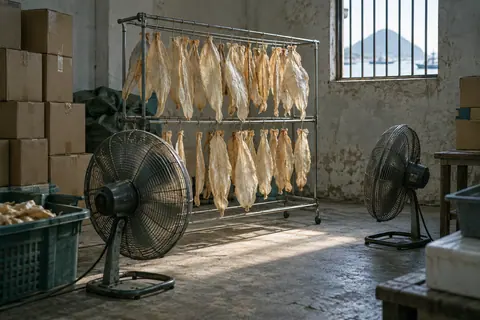
The drying house
The Song Shen Zhen prosecution documented totoaba bladders in a vehicle and a Calexico residence used for drying. The U.S. sentencing record identifies imprisonment and restitution ordered to Mexico.5556
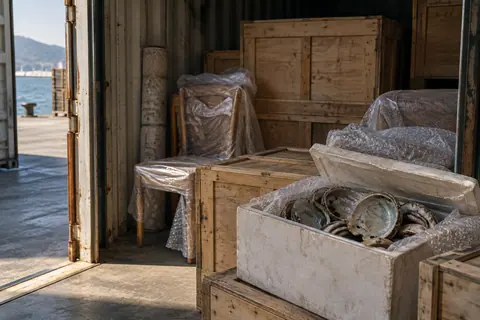
A furniture-company front
Kaven Company and Kam Wing Chan pleaded guilty in a marine-wildlife smuggling case. Later sentencing records update the original indictment; the collection does not treat an order for restitution as proof of collection.0635
Ecological harm needs a precise causal claim
NOAA identifies entanglement in gillnets, including nets set for totoaba, as a threat to vaquita. A particular seized shipment cannot be blamed for an individual vaquita death without additional evidence.57
What to investigate next
- Trace each admitted shipment through declarations, border crossings and documented buyers.
- Obtain restitution collection and asset-disposition records for the completed prosecutions.
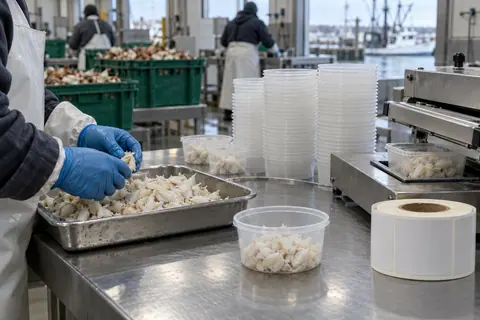
- Separate U.S. false-origin labeling of imported seafood from proof that the original catch was illegal.
Scope and limitsChina-market demand and a proven smuggling route do not establish Chinese government direction. The connected U.S. labeling case identifies misconduct by the U.S. processor.